
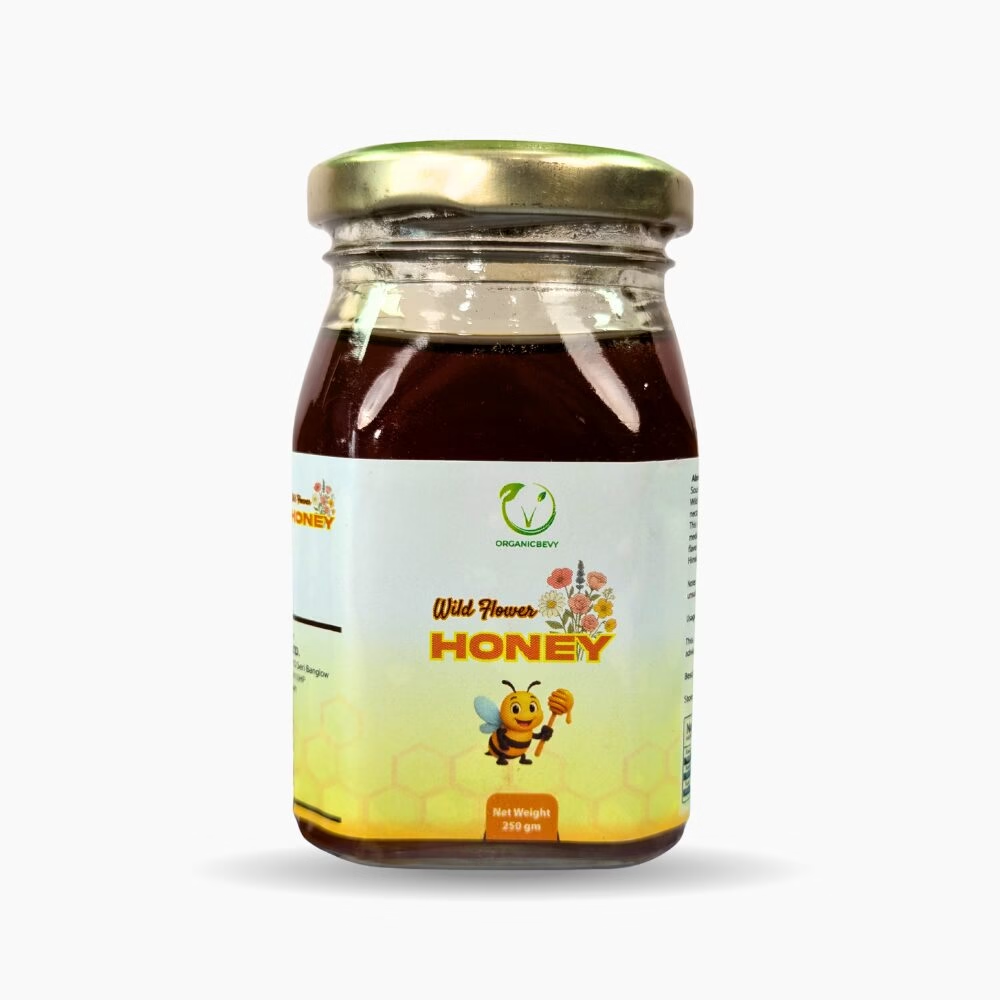
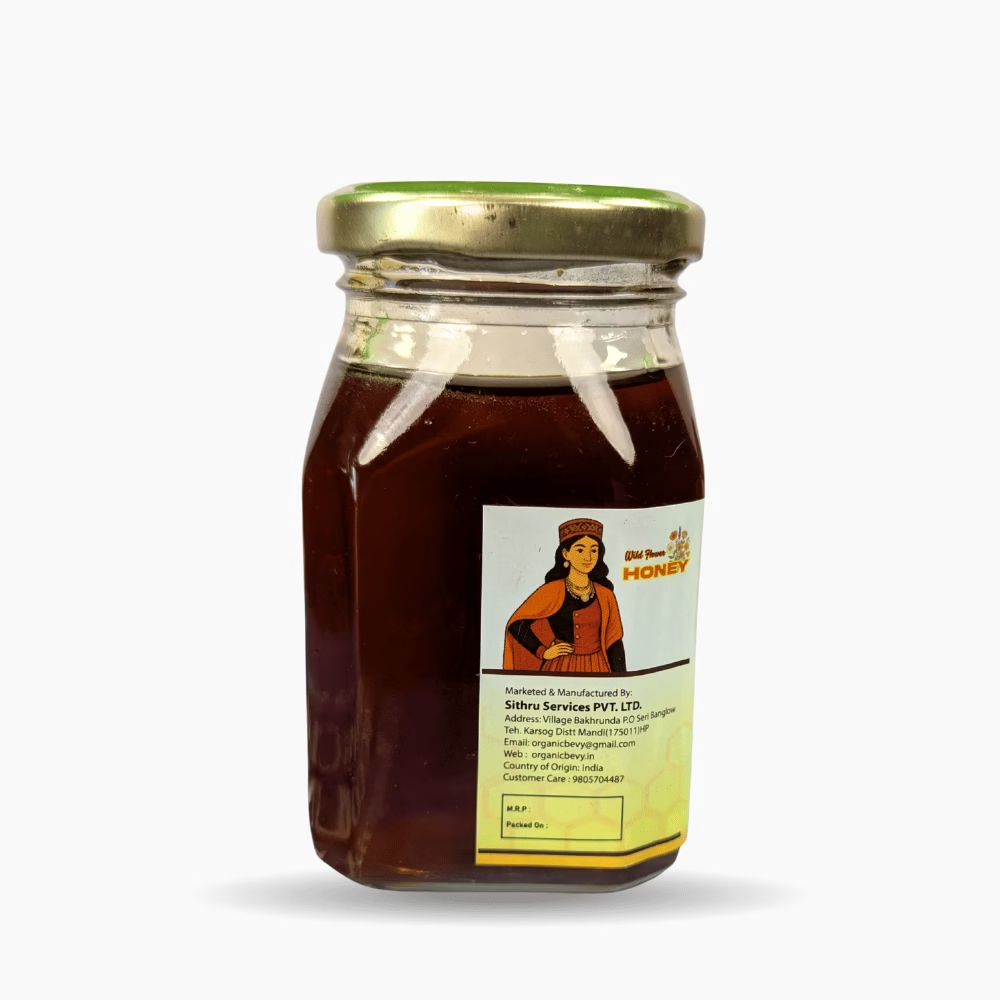
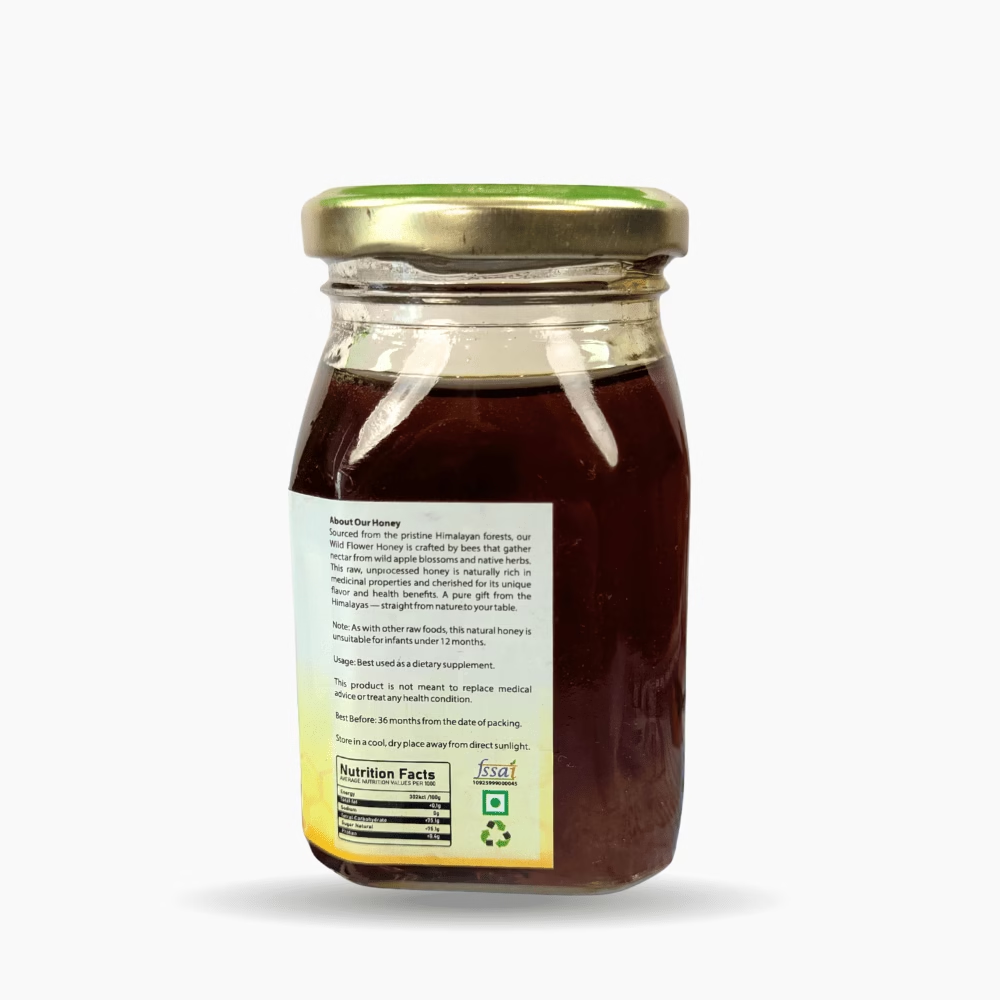
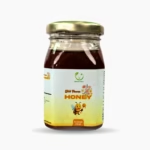
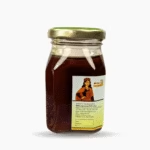
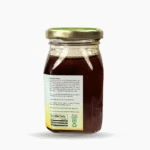
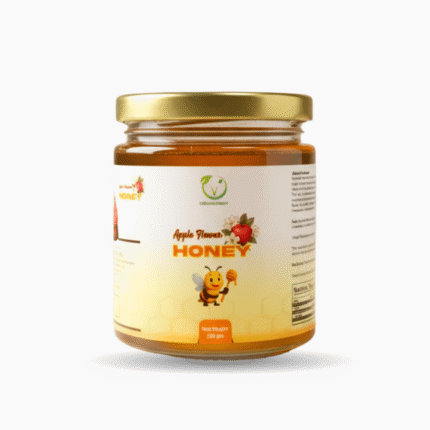
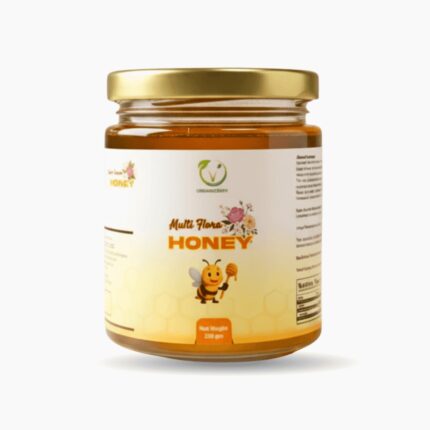
Wild Flower Honey
Price range: ₹199.00 through ₹399.00
Raw, unheated wild flower honey harvested from bees foraging freely across the Himalayan forests of Himachal. Multi-floral, unfiltered, and free from any added sugar or preservatives a different, richer flavor in every batch.
- 100% Raw & Unheated
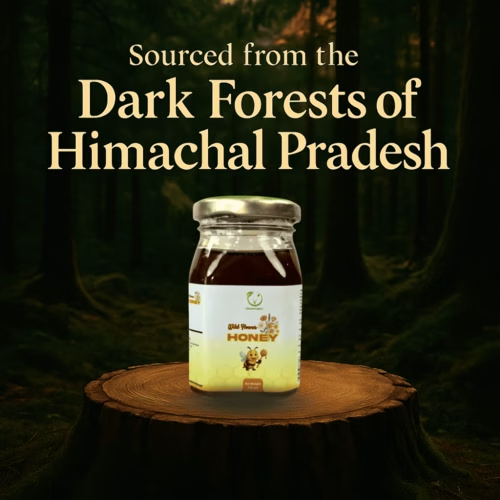
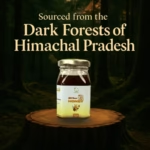
- Sourced Directly from Himachal
- No Additives, No Preservatives
- Multi-Floral — Every Batch Naturally Unique
Organicbevy’s Wild Flower Honey is harvested from bees that forage freely across the forests and meadows of the Himalayas — collecting nectar from dozens of native wildflowers rather than a single crop. That variety is what gives wild flower honey its layered, ever-changing flavor and sets it apart from single-source honeys you’ll find on most shelves.
We work directly with local beekeepers in Himachal, and our honey is raw, unheated, and unfiltered — nothing added, nothing stripped out.
What Makes Wild Flower Honey Different
Most commercial honey is monofloral — bees are kept near a single crop (mustard, sunflower, litchi) so the honey has one consistent flavor and composition. Wildflower honey is the opposite by nature. Because our bees range freely across diverse Himalayan terrain, each batch reflects whatever is blooming that season — wild berries, forest flowers, mountain herbs — which means:
- A broader nutrient profile. Multi-floral honey draws from a wider range of plant sources, meaning a richer mix of natural enzymes, antioxidants, and trace minerals than single-flower honey.
- A flavor that shifts by season and batch. No two jars are identical — that’s a sign of authenticity, not inconsistency.
- Minimal processing. We don’t heat-treat or filter out the pollen and enzymes that give raw honey its benefits a step many commercial honeys skip.
Why Sourcing Matters
Himachal’s forests are largely untouched by industrial agriculture, which means the bees are foraging in areas free from heavy pesticide use. We work with beekeepers who follow traditional, low-intervention harvesting practices — the honey is extracted, lightly strained to remove wax and debris, and bottled without further processing. Nothing is added, and nothing is heated out.
Benefits of Wild Flower Honey
- Soothes coughs and sore throats – Honey has long been used for throat irritation, thanks to its natural antibacterial and coating properties. A spoonful in warm water — or straight off the spoon — is a common home remedy for a scratchy throat.
- A natural alternative to refined sugar – Wild flower honey dissolves easily into food and drinks, adding depth of flavor while replacing processed sugar. It’s still sugar and should be used in moderation, but it comes with trace nutrients that white sugar doesn’t.
- May support minor wound care. Raw honey’s antibacterial and anti-inflammatory properties have traditionally been used to help minor cuts and burns heal — though anything beyond a small surface wound should be treated by a professional.
- A traditional morning ritual – In Ayurvedic practice, a spoonful of raw honey on an empty stomach is a common way to start the day. Wild flower honey contains small amounts of B-vitamins (B2, B3, B5, B6) and trace vitamin C, alongside natural enzymes from minimal processing.
- Skin care – Honey’s natural humectant properties help draw and retain moisture, which is why it’s a common ingredient in DIY face masks and skin treatments for dryness and irritation.
A Note on Crystallization
If your honey turns cloudy or solidifies over time, that’s not a sign of added sugar or poor quality — it’s a completely natural process. Raw, unprocessed honey crystallizes because of its natural glucose content, and how fast it happens depends on the floral source: honey from mustard flowers crystallizes quickly, while honey from apple blossoms stays liquid much longer. Since our wild flower honey draws from a mix of sources each season, crystallization speed can vary batch to batch that variation is actually a sign the honey hasn’t been processed to prevent it.
To liquefy crystallized honey, place the jar in warm (not boiling) water for a few minutes and stir. It will return to its usual consistency without any loss of flavor or nutrients.
How to Use It
- Stir into warm water, tea, or milk (avoid boiling liquids — high heat breaks down natural enzymes)
- Drizzle over yogurt, oatmeal, or toast
- Use as a 1:1 natural sweetener substitute in most recipes
- Apply a thin layer as a 10-minute hydrating face mask
Frequently Asked Questions
Is wild flower honey better than manuka honey?
They’re different, not better or worse. Manuka honey comes from a single plant source and has a well-documented antibacterial compound (MGO) with clinical research behind it. Wild flower honey draws from a wide range of Himalayan plants, offering a broader natural nutrient profile and a much more accessible price point. For everyday use — sweetening, immunity support, general wellness — raw wild flower honey is a strong, more affordable alternative.
Why does my honey look cloudy or solid?
This is natural crystallization, not spoilage or added sugar. Warm the jar in hot water for a few minutes to restore its liquid texture.
Is this honey raw and unprocessed?
Yes. It’s lightly strained to remove wax and debris but never heated or filtered in a way that strips out natural enzymes and pollen.
How should I store it?
Store at room temperature in a dry place, away from direct sunlight. No refrigeration needed — refrigeration actually speeds up crystallization.
Is it safe for daily use?
Yes, in moderate amounts (1–2 teaspoons a day) for most healthy adults. As with any honey, it shouldn’t be given to infants under 12 months.
| Weight | N/A |
|---|---|
| Quantity |
250GM ,500GM |
Reviews
Clear filtersThere are no reviews yet.